AI-Driven Sleep Optimization
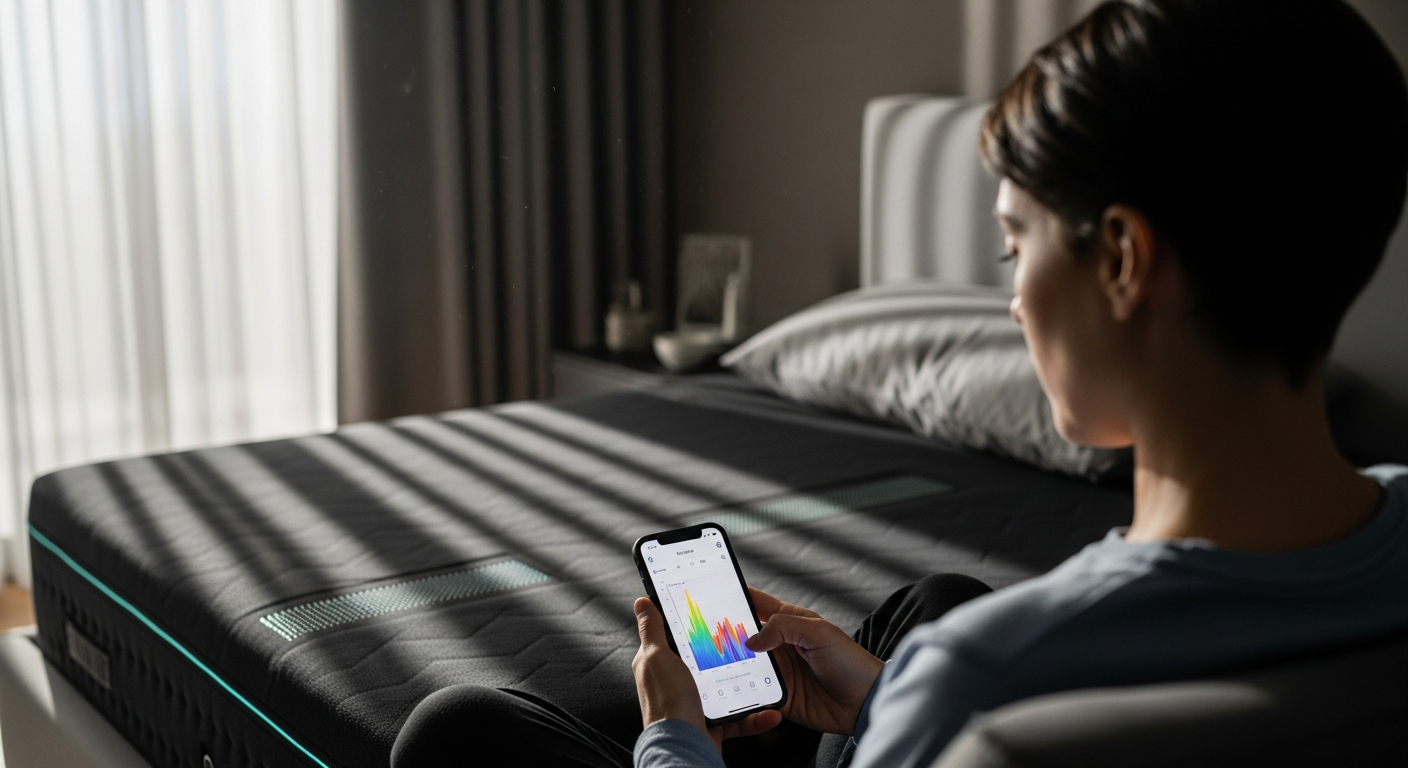
The most significant trend in sleep technology for 2026 is the maturation of AI-driven optimization. Products like the Eight Sleep Pod 4 Ultra and Bryte Balance now use machine learning models trained on millions of nights of sleep data to make real-time adjustments that individual users could never program manually. These systems learn that you sleep best when the bed cools to 65 degrees at 11 PM, drops to 62 degrees during your typical deep sleep window around 1 AM, and gradually warms to 72 degrees before your morning alarm.
What makes 2026 different from previous years is the accuracy of these predictions. Early autopilot systems were essentially sophisticated thermostats. Current systems understand the relationship between your daytime activity, pre-sleep routine, and optimal nighttime temperature profile. They adjust for factors like whether you exercised that day, whether the room temperature is higher than usual, and even seasonal changes in your body's thermoregulation patterns. The result is a sleep surface that anticipates your needs rather than merely reacting to them.
Advanced Health Monitoring
Smart beds are evolving beyond sleep tracking into genuine health monitoring platforms. In 2026, the biometric data captured by bed sensors is being used to detect early signs of health issues, including irregular heart rhythms, respiratory changes that may indicate illness, and stress patterns reflected in heart rate variability trends. Several smart bed manufacturers are pursuing FDA clearance for specific health monitoring features, which would position smart beds as legitimate medical devices rather than consumer wellness products.
The passive nature of bed-based monitoring gives it a unique advantage over wearables. Users do not need to remember to charge or wear a device, and the data is collected in the most clinically relevant context: during sleep, when the body is at rest and baseline measurements are most meaningful. Expect to see partnerships between smart bed companies and healthcare providers become more common, with sleep data becoming a standard part of health assessments.
Next-Generation Materials
Material science advances are enabling thinner, lighter, and more efficient temperature control layers. New phase-change materials can absorb and release heat more efficiently than water or air systems. Graphene-enhanced foams are appearing in premium mattresses, offering superior thermal conductivity that helps dissipate body heat without active cooling. These material innovations are gradually reducing the bulk and complexity of smart bed systems while improving their performance and reliability.
Deeper Smart Home Integration
The smart bed is becoming the centerpiece of the connected bedroom. In 2026, we are seeing seamless integration with lighting systems, window shades, HVAC controls, and even kitchen appliances. A typical morning routine might involve the bed gently warming and raising the head position, the lights slowly increasing in brightness, the window shades opening, and the coffee maker starting, all triggered by the bed's detection that you are transitioning from sleep to wakefulness. Matter and Thread protocols are making cross-device communication more reliable, reducing the frustration of devices that fail to communicate.
Greater Accessibility
Perhaps the most encouraging trend is the democratization of smart bed technology. Prices have dropped significantly at the entry level, with effective temperature control systems now available under $500 and basic smart mattresses under $1,500. This price compression is driven by manufacturing scale, component cost reduction, and increased competition in the market. The technology that was available only to early adopters and premium buyers three years ago is now accessible to mainstream consumers, and the trend toward affordability shows no sign of slowing.
Looking Ahead
The future of sleep technology points toward increasingly invisible and automated systems. The goal for the industry is a bed that requires zero interaction: you lie down, and it handles everything, temperature, firmness, positioning, and health monitoring, without you ever touching an app or pressing a button. We are not quite there yet, but the trajectory is clear. Within the next two to three years, the most advanced smart beds will require less setup, less maintenance, and less user intervention than ever before, while delivering better sleep outcomes through continuously improving AI models.
About this content
SmartBed is a portfolio demonstration of how a category content and commerce site is put together: the information architecture, the category hubs, the comparison structures and the buying surfaces. Every article, rating, specification, price and figure on it is synthetic sample copy written to exercise that structure. No product was tested, no figure was verified, and nothing here is buying, medical or investment advice.