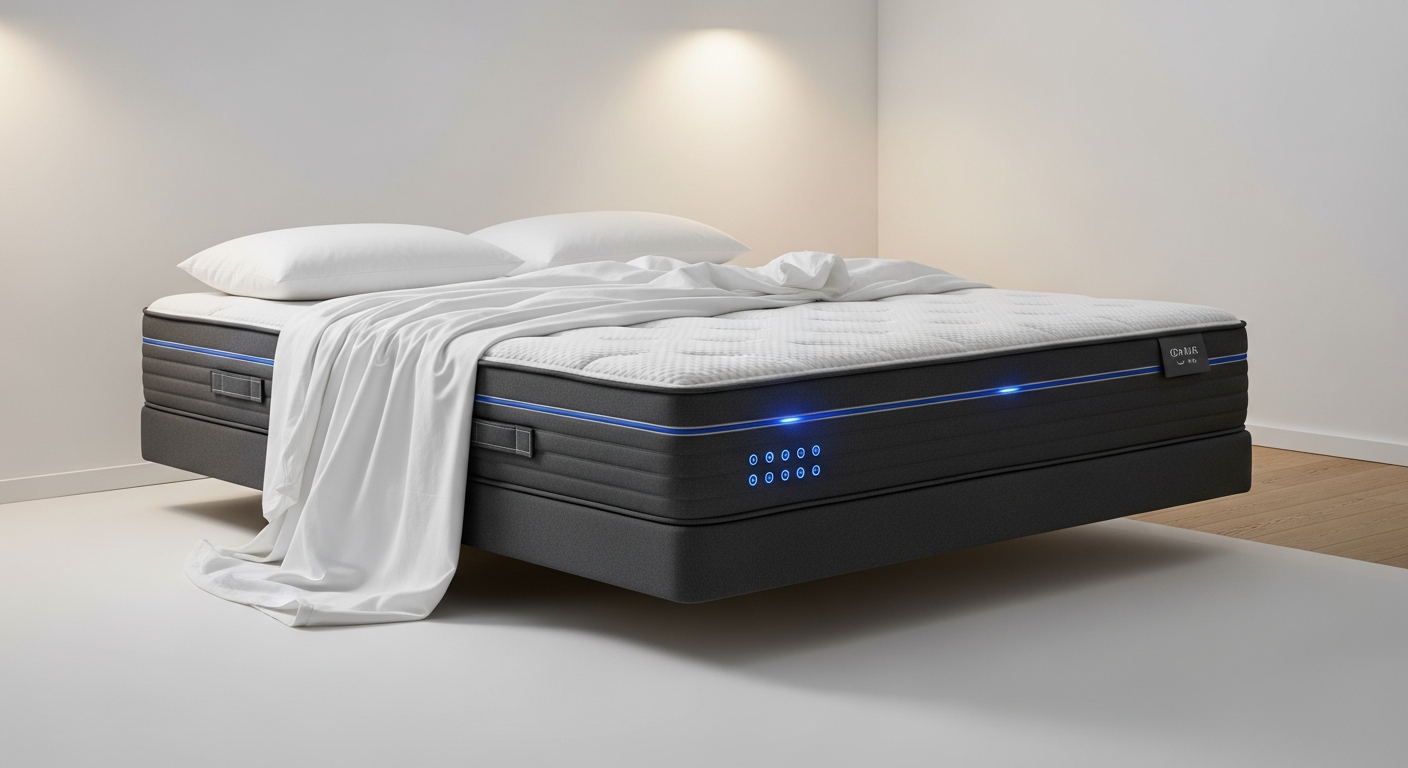
Defining the Smart Bed
A smart bed is a mattress or sleep system that incorporates electronic sensors, connectivity, and automated adjustments to improve your sleep experience. Unlike a traditional mattress that remains static once manufactured, a smart bed actively responds to your body and environment throughout the night. This can include regulating temperature, adjusting firmness, tracking sleep metrics, and integrating with other devices in your home.
The concept dates back to the first air-adjustable mattresses in the late 1980s, but the modern smart bed as we know it emerged around 2015 when companies began integrating biometric sensors, WiFi connectivity, and mobile app control into sleep surfaces. Today, smart beds represent one of the fastest-growing categories in both the mattress and consumer electronics industries.
Core Features
Modern smart beds can include any combination of the following features: active temperature control that heats or cools the sleep surface, built-in sleep tracking sensors that monitor biometrics without a wearable, adjustable firmness that lets you change how soft or firm the mattress feels, dual-zone capability that allows each side of the bed to be independently controlled, automatic adjustments that respond to snoring or position changes, massage functionality built into the base, and integration with smart home platforms like Alexa and Google Home. Not every smart bed includes all of these features, and the combination you choose should be based on your specific sleep needs.
How Smart Beds Work
At their core, smart beds use a network of sensors embedded in or on the mattress surface to collect data about the sleeper. These sensors can detect heart rate, breathing patterns, movement, pressure distribution, and temperature. This data is processed either locally by an onboard computer or in the cloud, and the bed then makes adjustments based on programmed preferences or learned patterns.
Temperature control systems use either water circulation (Eight Sleep, ChiliSleep), forced air (BedJet), or integrated heating and cooling elements (Sleep Number Climate360) to regulate the surface temperature. Adjustable firmness typically relies on air chambers that inflate or deflate to change the feel of the mattress. Sleep tracking sensors use ballistocardiography, a technique that detects the micro-vibrations caused by your heartbeat and breathing through the mattress surface.
Types of Smart Beds
Smart beds fall into three main categories. Complete smart mattresses like Sleep Number and Bryte are full mattress replacements with technology built into the mattress itself. Smart covers and toppers like Eight Sleep Pod sit on top of your existing mattress to add temperature control and tracking. Add-on climate systems like BedJet and ChiliSleep are standalone devices that regulate bed temperature without modifying the mattress. Smart adjustable bases like the Tempur-Pedic Ergo Smart Base add positioning, massage, and tracking to any compatible mattress. Each type serves a different need and budget level.
Benefits of Smart Beds
The primary benefit of a smart bed is improved sleep quality through personalized comfort adjustments. Temperature control is the feature most systems are built around, though no study is cited anywhere on this demo and no figure here is a finding. Sleep tracking provides data that helps you understand your sleep patterns and make informed adjustments to your routine. For couples, dual-zone features eliminate compromises on temperature and firmness, meaning both partners get their ideal sleep environment. Automatic adjustments like snore response can reduce disruptions without either partner needing to wake up. And smart home integration enables powerful bedtime and wake-up routines that extend the benefits beyond the mattress itself.
Things to Consider
Before investing in a smart bed, consider your specific sleep challenges. If you sleep comfortably already, a smart bed may offer marginal benefits that do not justify the cost. Smart beds require electricity and internet connectivity to function, which means they add to your utility costs and may experience downtime during outages. Privacy-conscious consumers should review each brand's data policies, as sleep tracking generates sensitive health information. Finally, the electronic components in smart beds have a shorter lifespan than traditional mattress materials, so factor in the expected lifetime when evaluating cost.
About this content
SmartBed is a portfolio demonstration of how a category content and commerce site is put together: the information architecture, the category hubs, the comparison structures and the buying surfaces. Every article, rating, specification, price and figure on it is synthetic sample copy written to exercise that structure. No product was tested, no figure was verified, and nothing here is buying, medical or investment advice.